QA QC Pharma Jobs for Freshers: Step-by-Step Career Roadmap

QA QC pharma jobs for freshers are entry-level roles in drug manufacturing that ensure medicines meet quality and safety standards. Freshers with a life sciences degree can start as QA or QC Executives, performing tests, audits, and documentation. These jobs require basic knowledge of GMP and regulatory guidelines.
You have a degree in biotechnology, microbiology, or biochemistry. You spent years studying theory. But now, you are applying for jobs, and every listing says ‘experience required’. You feel stuck. You see your classmates in the same situation. The truth is, your degree alone is not enough anymore.
The pharma industry needs people who can do the job from day one. Companies do not have time to teach basics. But here is the good news: you can bridge this gap. In the next few minutes, I will show you a clear, step-by-step path to get your first QA QC pharma jobs for freshers within 3–6 months. No fluff. Only practical steps that work in India.
Build These Skills Now
Programs from ZANE ProEd Academy that directly address the skill gaps discussed above.
What is the difference between QA and QC in pharma?
Understanding the difference between QA and QC in pharma is the first step. Both are crucial for drug safety, but they focus on different things.
- Quality Assurance (QA) is process-oriented. It prevents mistakes before they happen. QA Executives create systems, write SOPs, handle audits, and ensure the whole manufacturing process follows guidelines like ICH Q10 and CDSCO’s Schedule M.
- Quality Control (QC) is product-oriented. It tests the final medicine to ensure it meets specifications. QC Executives work in labs, use instruments like HPLC, and check raw materials, in-process samples, and finished products.
In simple words: QA builds the road; QC checks the car. Many freshers start in QC and later move to QA. Both roles are entry points for a pharma quality control career.
What is the salary of a QA/QC Executive in India?
Let’s talk about quality assurance pharma salary. For freshers, the starting salary of a QA/QC Executive in India ranges from ₹2.5 to 4 lakhs per annum (LPA). This varies by company size and location.
- Small pharma companies or contract labs: ₹2–2.8 LPA
- Mid-sized manufacturers (e.g., Akums, Hetero): ₹3–3.5 LPA
- Large MNCs (e.g., Sun Pharma, Dr. Reddy’s, Cipla): ₹3.5–4.5 LPA
After 2–3 years of experience, you can earn ₹5–7 LPA. With expertise in audits, validation, or regulatory affairs, salaries can rise to ₹10+ LPA. So, the career has solid growth. But the first job is the hardest to get. That is why a practical skill set matters more than just a degree.
How to get a QA/QC job in pharma as a fresher?
Here is a proven roadmap to secure QA QC pharma jobs for freshers. Follow these steps systematically:
- Learn the basics of GMP and regulations. Study guidelines from WHO, FDA, and EMA. Focus on Schedule M, ICH Q7, and 21 CFR Part 211. You do not need to memorize everything—just understand what inspectors look for.
- Get practical training (not just theory). Most colleges do not teach how to use HPLC or how to handle a deviation. Simulation-based courses can fill this gap. They let you practice real tasks like batch release, CAPA investigations, and audit trails.
- Prepare for common QA QC interview questions. Expect questions like: ‘What is OOS?’, ‘How do you handle a temperature excursion?’, or ‘Explain ALCOA principles.’ Practice answering with real scenarios, not textbook definitions.
- Build a smart resume. Highlight any hands-on projects, internships, or certifications. Use words like ‘SOP review’, ‘line clearance’, and ‘analytical method validation’ if you have done them in a simulated environment.
- Apply strategically. Target companies that regularly hire freshers: divisional QA/QC roles, third-party testing labs, and pharma clusters like Hyderabad, Ahmedabad, and Mumbai. Use portals like Naukri, LinkedIn, and company career pages.
This approach works because it shows you are job-ready, not just degree-holding.
What qualifications are needed for QA/QC in pharma?
The minimum qualification for QA QC pharma jobs for freshers is a bachelor’s degree in a life sciences discipline. Specifically:
- Accepted degrees: BSc/MSc in Biotechnology, Microbiology, Biochemistry, Chemistry, or B.Pharm.
- Preferred skills: Knowledge of GMP, GDP, and basic analytical techniques (pH, UV, HPLC). Familiarity with documentation (BPR, logbooks) is a big plus.
- Certifications: While not mandatory for all jobs, a certification in Quality Management Systems (like ISO 13485 or ICH Q10) can set you apart. Courses that simulate real pharma environments are especially valued because they prove you can handle daily tasks.
For life sciences graduates, especially from BSc/MSc Biotechnology, Microbiology, or Biochemistry, the path is direct. You already have the foundation. Now, you need to add the practical layer.
What does a QA/QC Executive do daily?
Understanding the QA QC executive job description helps you prepare for interviews and the actual role. Here is a typical day:
- In QC: You start by checking the sampling schedule. You collect raw material or finished product samples. Then, you perform tests using HPLC, GC, or dissolution apparatus. You record results in worksheets, check against specifications, and report any out-of-specification (OOS) results. Documentation must follow ALCOA+ principles.
- In QA: You review batch manufacturing records (BMR) for errors. You walk through the production area for line clearance. You handle deviations and change controls. You may assist in internal audits or vendor qualification. A big part is reviewing SOPs and training records.
Both roles require attention to detail, discipline, and the ability to work under pressure. But once you learn the rhythm, it becomes second nature.
The skill gap: What colleges miss, employers expect
As a BSc/MSc in Biotechnology or Microbiology, you probably studied yeast fermentation and bacterial cultures. But did you ever fill a batch production record? Or investigate a deviation? Colleges focus on theory. Employers expect practical know-how.
Here is the honest gap:
- College teaches: Enzyme kinetics, PCR, microbial identification.
- Employer demands: cGMP compliance, CAPA management, audit preparation, SOP writing, risk assessment, and use of laboratory investigation tools.
This gap explains why many freshers struggle to get hired. You need to show you can do the job, not just describe it. This is where simulation-based training changes the game.
Your step-by-step roadmap to QA/QC success
Follow this 6-step plan to land your first job in 3–6 months:
- Clarify your target: Decide if you prefer lab-based QC or process-based QA. Learn the difference thoroughly (see above).
- Build regulatory knowledge: Study key guidelines for India and international markets. Focus on common observations from regulatory audits.
- Get hands-on practice: Enroll in simulation-based programs that teach real-world tasks like batch release, OOS investigations, and audit trails. This is the fastest way to gain practical exposure without a job.
- Prepare for interviews: Practice answering scenario-based questions. Join peer groups or mock interview sessions.
- Certify your skills: Complete a recognized certification in GMP or Quality Management. This gives your resume a credibility boost.
- Apply with confidence: Use your new practical knowledge in your resume and interviews. Talk about how you handled a simulated deviation, not just what a deviation is.
How simulation bridges the experience gap
You cannot get a job without experience, but you cannot get experience without a job. Simulation-based learning breaks this cycle. It puts you in a virtual pharma plant where you complete real tasks: reviewing batch records, raising change controls, and conducting root cause analysis.
This is not a video course. It is an active practice environment. You learn by doing, and you make mistakes safely. By the time you face an interviewer, you can speak confidently about what you have done, not just what you read.
Build These Skills Now
Programs from ZANE ProEd Academy that directly address the skill gaps discussed above.
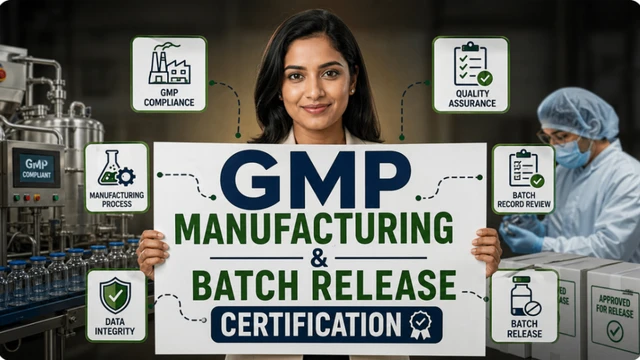
ZANE ProEd’s platform offers industry-aligned simulations. For example, the GMP Manufacturing Batch Release Certification walks you through the entire batch release process, from reviewing critical parameters to final QA approval. The Quality Management System Certification trains you to handle deviations, CAPA, and change controls—exactly what employers expect from a QA Executive.
These programs are designed by pharma veterans who know what it takes to succeed in the first 90 days on the job. They are a bridge between your degree and your career.
Your next move: Assess your readiness
Do you know what a QA/QC Executive actually does every day? Could you handle a simulated audit right now? If you are not sure, it is time to test your skills. The pharma industry is competitive, but the right preparation can put you ahead.
Don’t wait until more graduates catch on. The window is now—before the job market gets even tighter. ZANE ProEd is ready when you are.
For related career paths, see how QA skills apply in hospital quality assurance and the growing field of pharma validation.
Build These Skills Now
Programs from ZANE ProEd Academy that directly address the skill gaps discussed above.