Stop Collecting Certificates: The Real Reason You're Not a Pharmacovigilance Case Processor in India

Why Your Certificates Fail You in a Pharmacovigilance Case Processor Interview
Let's be blunt. You've collected the certificates. You've memorized the definitions of an 'Adverse Drug Reaction' and can recite the stages of a clinical trial. Yet, you're stuck. The interview invitations are scarce, and the ones you get end in a polite 'we'll let you know'. The problem isn't your dedication; it's your direction. You've been taught to accumulate paper, not to perform a job.
The Indian Pharmacovigilance (PV) market is maturing at a blistering pace. Companies like TCS, Cognizant, and major pharma MNCs are no longer hiring 'freshers' they can train for six months. They are hiring job-ready talent, individuals who can sit down on day one and correctly process an Individual Case Safety Report (ICSR) with minimal supervision. Your stack of PDF certificates proves you can study, but it doesn't prove you can do. That's the critical, painful gap you're falling into.
Reality Check: What Hiring Managers Actually Discuss After Your Interview
Forget what the course brochures promised you. The post-interview discussion isn't about how many certificates you have. It's about risk. The hiring manager is asking their team: 'Can this person handle a complex case narrative on a Friday afternoon? Can they distinguish between a serious and non-serious event according to ICH guidelines? Will their work require constant QC, slowing down the entire team?'
They aren't testing your textbook knowledge. They are evaluating your workflow intelligence. They need to trust that you won't miscode a critical term in MedDRA, leading to a regulatory reporting error. They need to know you can write a clear, concise case narrative that meets the standards of agencies like the CDSCO in India and the FDA abroad. Your theoretical knowledge is the entry ticket to the exam hall, not the answer sheet itself.
The Glaring Gap: Academic Theory vs. Daily Workflow
Your typical PV course teaches you the 'what'. You learn what an ICSR is, what seriousness criteria are, and what a company's safety database does. This is baseline knowledge, the absolute minimum. The job, however, is about the 'how'.
- Academic Output: You can define 'Causality Assessment'.
- Industry Expectation: You can read a convoluted discharge summary, identify three potential adverse events, two concomitant medications, and a relevant past medical history, and then correctly populate 50+ data fields in Argus or ArisG, all while a deadline looms.
See the difference? It's the chasm between knowing the name of a surgical tool and knowing how to perform the surgery.
The Workflow Simulation Gap™: ZANE's Core Insight
We call this disconnect the 'Workflow Simulation Gap™'. It's the void between passive learning (watching videos, reading PDFs) and active, cognitive performance. Traditional e-learning widens this gap by convincing you that knowledge acquisition is the same as skill development. It's not. Real skill is built by doing, by making mistakes in a controlled environment, and by iterating on complex tasks until the workflow becomes muscle memory. You haven't been given the chance to bridge this gap, which is why you feel unprepared despite being 'certified'.
The Three Mistakes That Expose a 'Certified' Fresher
Let's audit the common failure points. A skilled Pharmacovigilance Case Processor avoids these traps, which are invisible to those who have only learned the theory.
- Mistake 1: Literal MedDRA Coding. A fresher reads 'patient felt heart was racing' and searches for 'racing heart'. An experienced processor knows this is likely 'Palpitations' (PT) under the Cardiac disorders (SOC). They understand patient vocabulary vs. standardized medical terminology. This isn't just a semantic difference; it's a data integrity issue with massive regulatory implications.
- Mistake 2: The 'Copy-Paste' Narrative. A novice will often copy and paste chunks of the source document into the narrative section. This is a huge red flag. A professional narrative is a synthesized, chronological, and medically coherent story of the case. It requires critical thinking to structure the information logically, following the standards of documents like the Good Pharmacovigilance Practices (GVP).
- Mistake 3: Failing the Triage Test. The initial assessment of a case—determining validity, seriousness, and expectedness—is a crucial first step. A fresher might see a case from a non-healthcare professional and dismiss it, not realizing it contains enough information to be valid. Or they might misclassify a case as non-serious because the outcome was 'recovered', failing to note that it met the 'hospitalization' criterion. These are day-one errors that companies cannot afford. For a deeper look at the career path, our analysis on the Pharmacovigilance Case Processor role provides a structured decision framework.
A Micro-Scenario: Your First Five Minutes with a Case
Imagine this lands in your queue: 'Email from a patient's daughter: My father (72 M) started on Drug X for his arthritis 2 weeks ago. Yesterday he felt very dizzy and fell in the kitchen. We took him to the hospital, they said his blood pressure was very low and kept him overnight. He's home now and fine. He also takes Metformin for his diabetes.'
A certified-but-unskilled person freezes. An industry-ready processor immediately thinks:
- Validity: Yes. I have an identifiable patient, a suspect drug, an adverse event (dizziness, fall, hypotension), and a reporter.
- Seriousness: Yes. 'Kept him overnight' means hospitalization. This is a serious case.
- Events: Dizziness, Fall, Hypotension. Need to code these.
- Concomitant Meds: Metformin. Note it down.
- Medical History: Arthritis, Diabetes. Critical context.
This rapid-fire analysis is the 'workflow'. It’s a habit of mind, not a definition you recall from a textbook. Making the right choices here, before you even open the safety database, is the core skill. The career path for a Drug Safety Associate is built on mastering this initial workflow.
Bridging the Gap: From Theory to Simulated Practice
How do you develop this workflow intelligence without having the job first? You can't do it by reading more PDFs or watching more videos. You need a system that replicates the cognitive demands of the job. You need a 'digital sandbox' where you are forced to process realistic, complex cases against a clock, make decisions, and see the immediate consequences of your choices.
This is the principle of simulation-based training. It’s about building mental models and workflow patterns through repetition in a context-rich environment. It’s how pilots, surgeons, and elite professionals in every field train: by doing the job, virtually, before they do it for real.
Build These Skills Now
Programs from ZANE ProEd Academy that directly address the skill gaps discussed above.
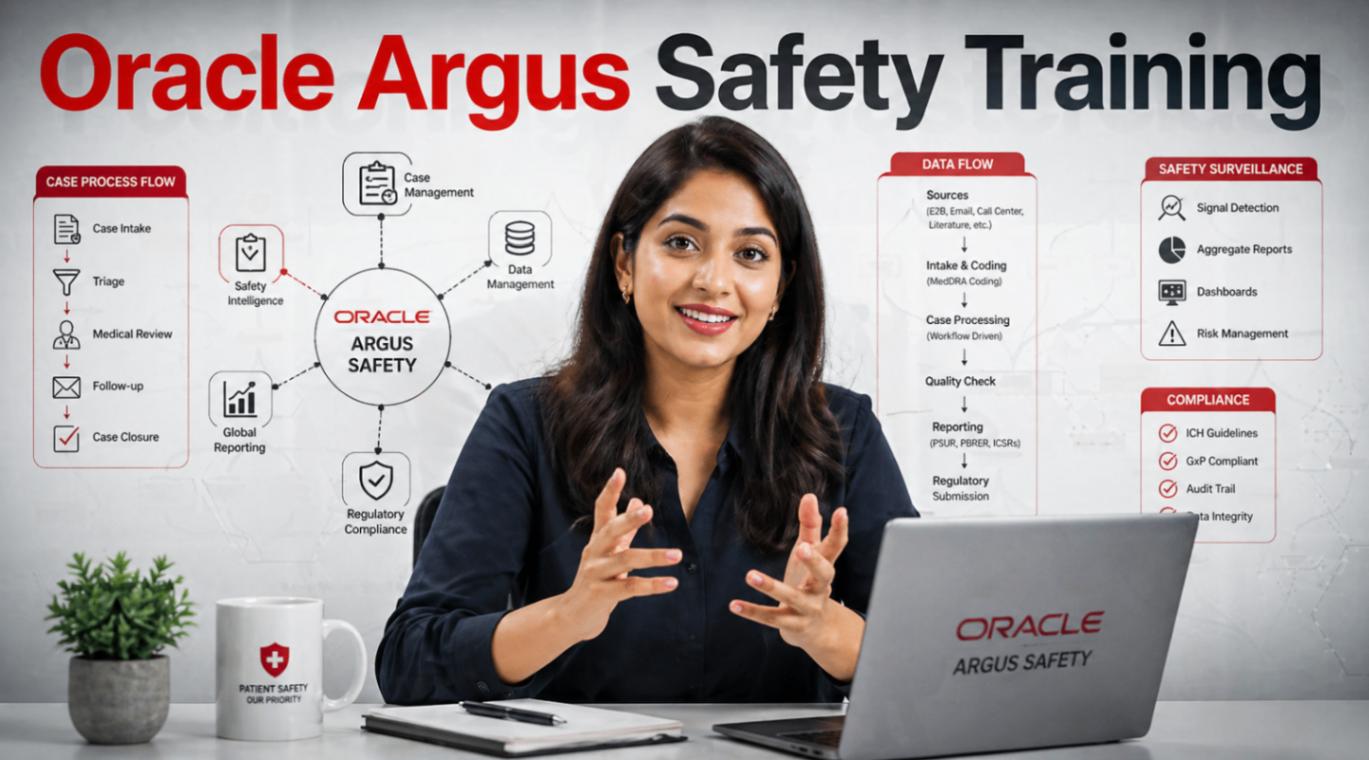
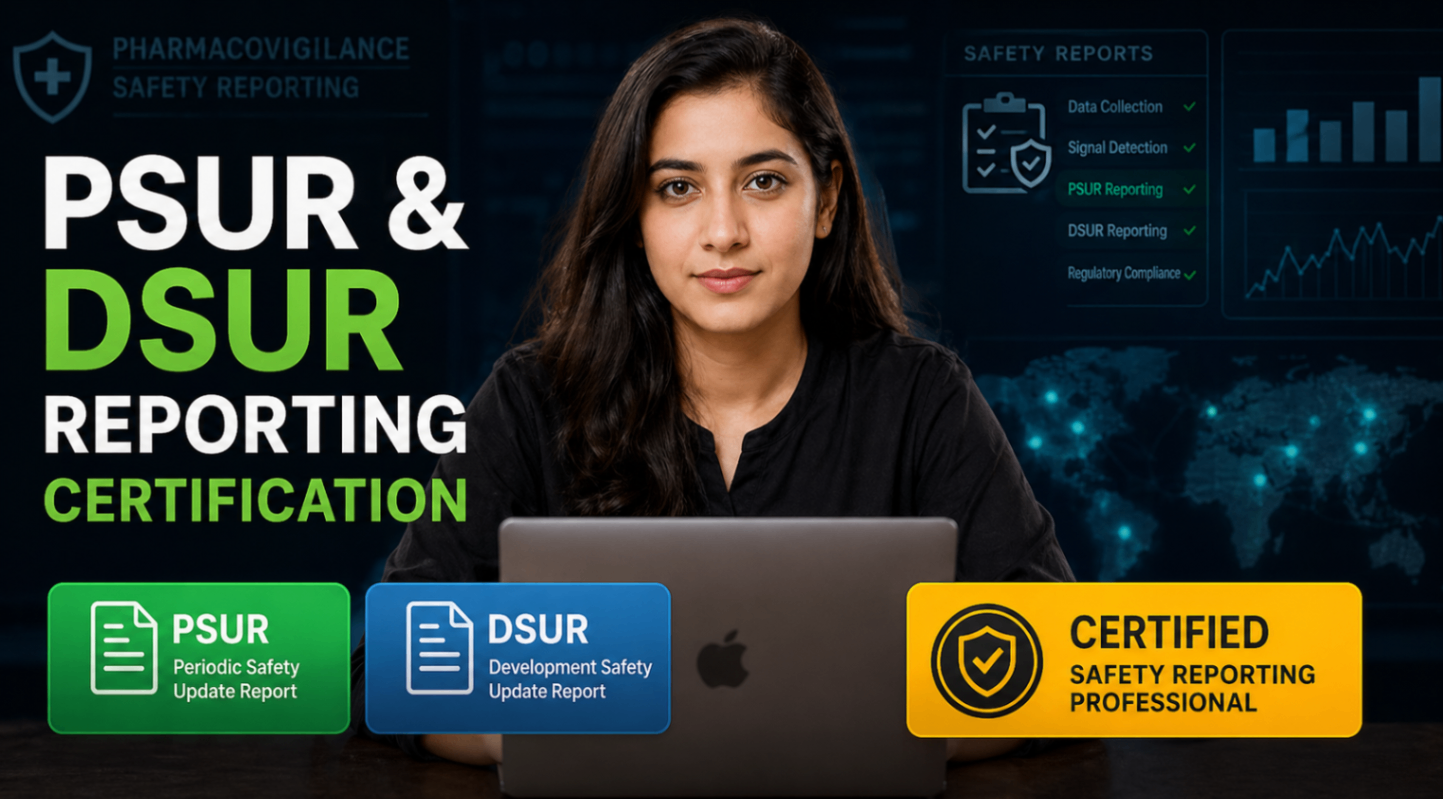
The ZANE ProEd System: An Integration of Skill and Workflow
This is why we built our programs not as 'courses' but as integrated training systems. The goal is not to give you another certificate, but to instill the workflow intelligence that companies are desperately seeking.
Our ICSR Case Processing & Triage program isn't about the theory of triage; it's a simulation environment where you are fed a stream of source documents and must make real-time triage decisions. You learn the pressure and the pattern recognition required on the job.
The End-to-End Pharmacovigilance Certification takes this further. It's a complete system that moves you from medical concepts through regulation and into hands-on case processing simulations. It's designed to close the 'Workflow Simulation Gap™' completely, building the muscle memory for everything from MedDRA coding to narrative writing. We are not just another course provider; we see ourselves as architects of career readiness, a value we hold deeply at ZANE ProEd.
Your Next Move: Audit, Don't Just Apply
Stop sending out resumes and hoping for the best. That strategy has failed. It's time for a new one. Start by auditing your own skills against the real-world mistakes outlined above. Can you confidently navigate that micro-scenario? Can you write a compelling narrative from a messy source document? If the answer is no, then your next step isn't another certificate. It's finding a way to practice the actual job.
Explore systems that prioritize simulation over lectures. Build your workflow muscle memory. Become the candidate who can demonstrate performance, not just knowledge. That is how you will finally land the Pharmacovigilance Case Processor role you've been working toward.